Fewer Jams, Smoother Feeding
In February, our work on Volos focused on one of the most important parts of the training experience: feeding stability.
February was a shorter working month because of the Chinese New Year holiday, and part of our team was away from the office. But the break did not stop the product work. We continued reviewing test results, thinking through feeding improvements, and testing competitor machines whenever we could.
Sophie also returned to her home court near San Bruno, California, where she practiced with more ball machines and observed how players interact with them in real sessions.
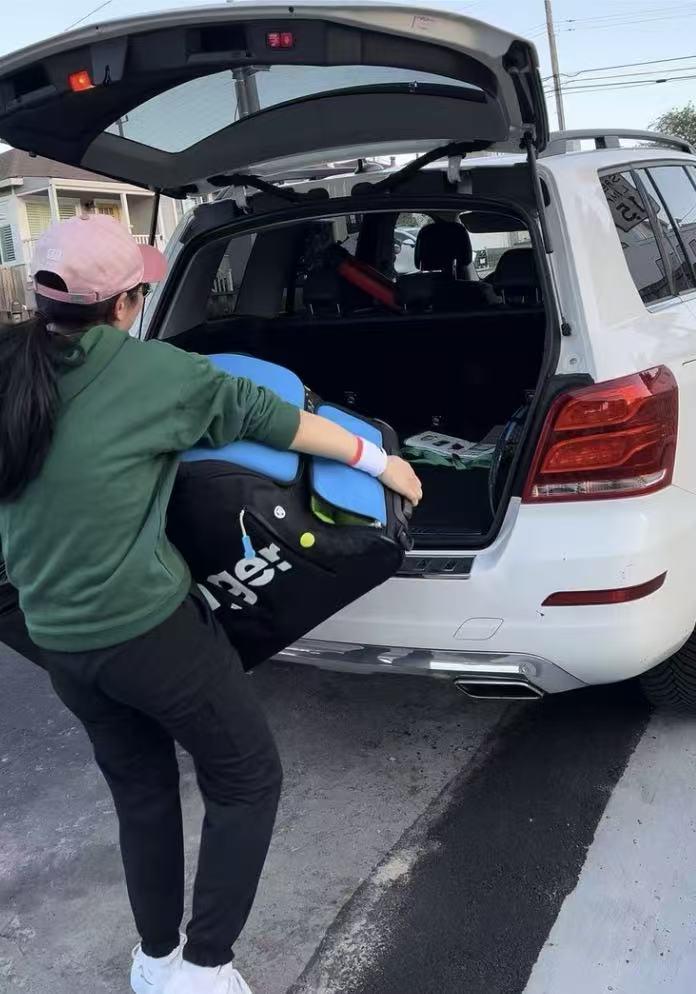
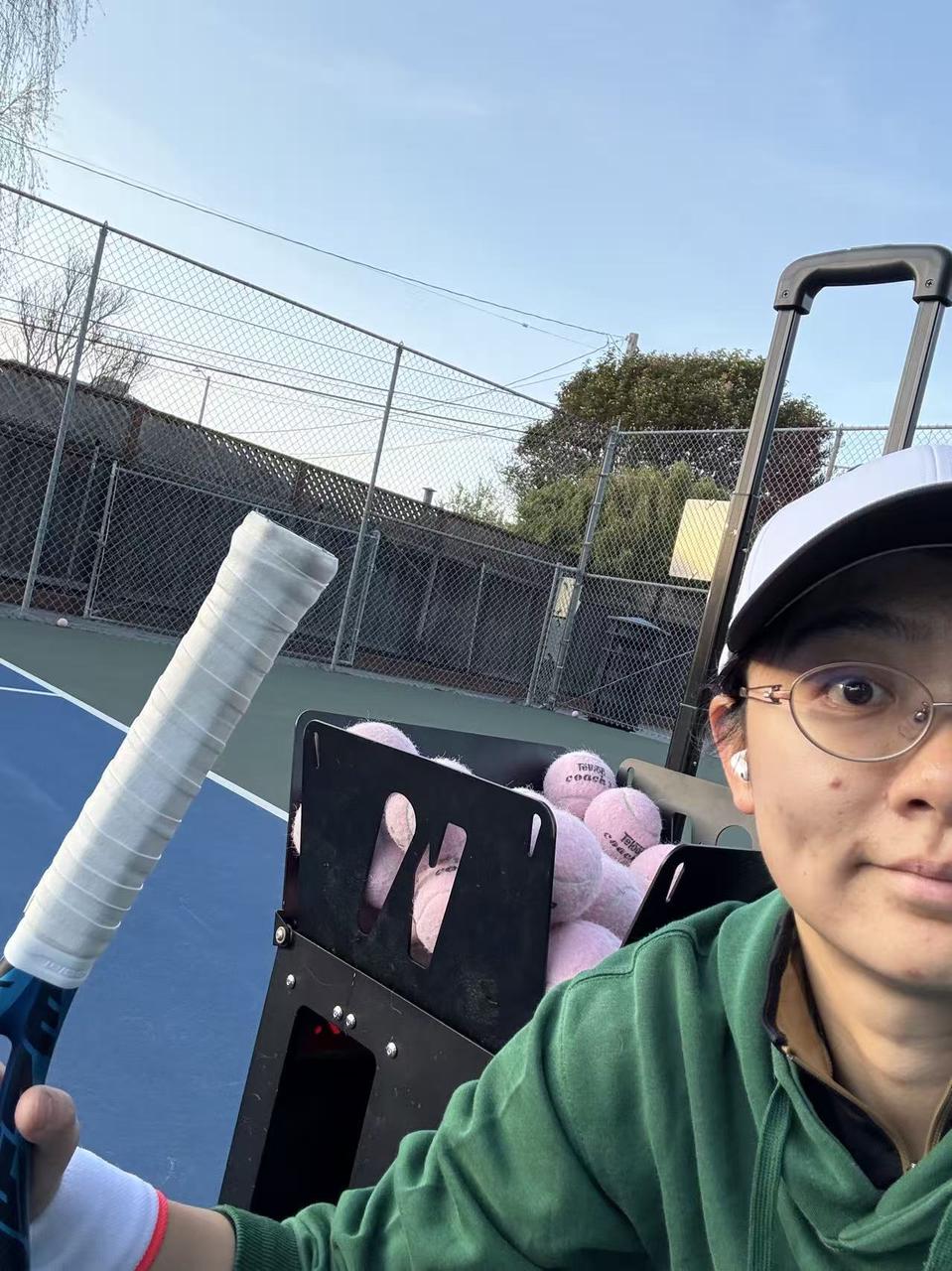
In real tennis practice, the most frustrating issue is not a lack of features. It is interrupted rhythm. If the machine jams, skips, spins without feeding, or pauses unexpectedly, the entire training session is disrupted.
This Month’s Focus
This month, we focused on one simple but critical goal:
Make the ball enter the launch area more smoothly and reduce training interruptions.
Key Progress
Jam rate reduced from around 3% to under 0.1%. During continuous feeding tests on Volos, the jam rate dropped significantly, reducing interruptions during training.
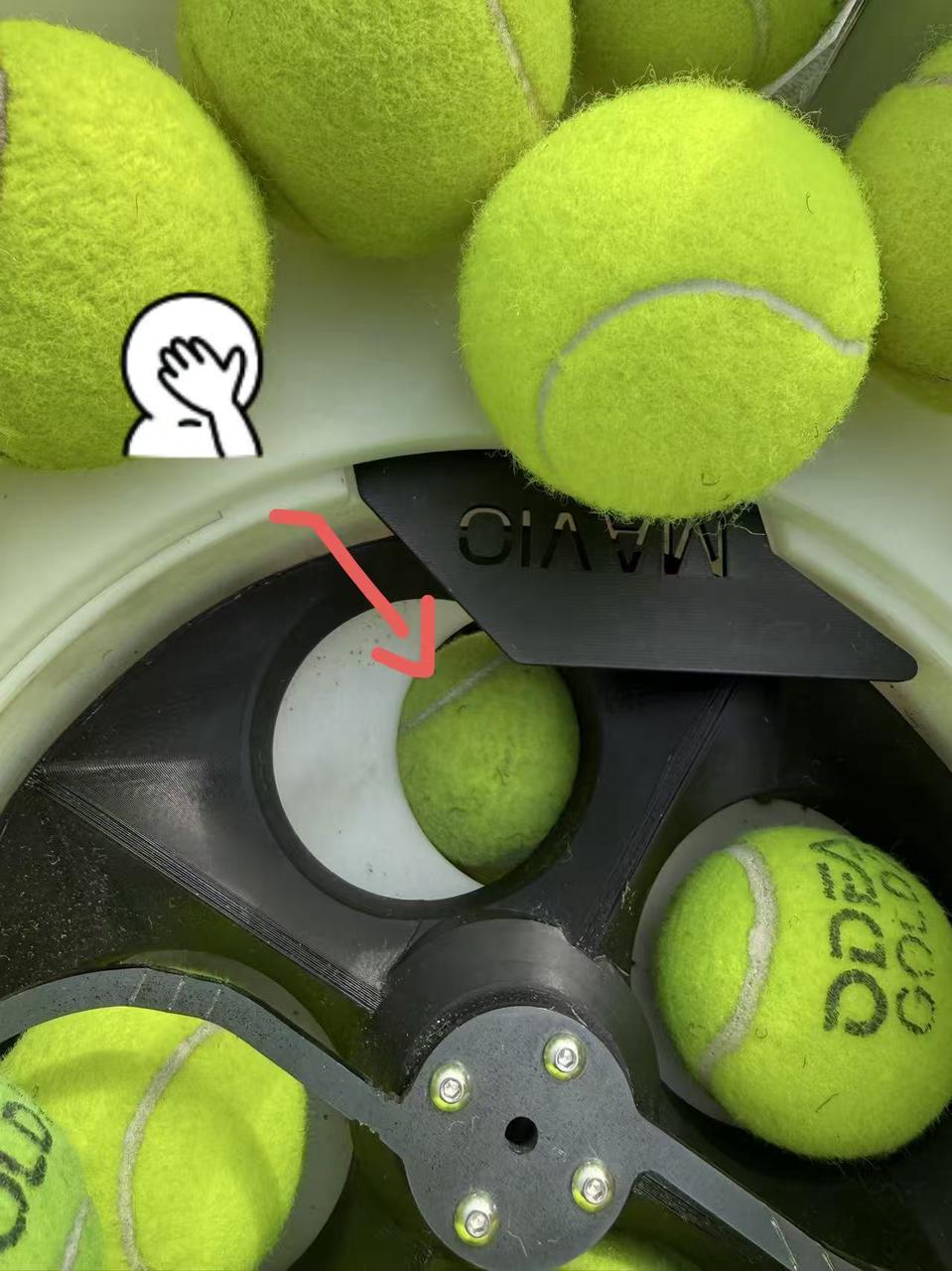
Ball tray, frame, and baffle designs were validated through multiple iterations Different feeding structures were tested to improve the ball path and feeding consistency.
Ball entry into the launch track became smoother The transition from the hopper to the launch area became more stable, reducing ball misalignment and missed feeds.
Different ball-volume conditions were tested Full hopper, half hopper, and low-ball conditions were compared to understand how feeding changes across real use cases.
App status feedback became clearer Ready, training, paused, and error states were added to make the machine status easier to understand during use.
What We Learned
A good training device should interfere with training as little as possible.
For Volos, feeding stability may not look like the most exciting feature, but it determines whether a session can continue smoothly. February showed us that jam reduction cannot be solved by software alone. It requires the ball tray, frame, baffle, feeding angle, and motor load to work together.
What’s Next
The next stage will bring these feeding improvements into EVT-3 for further validation under longer and more intensive continuous training conditions.