In June, we continued working on a simple but important problem: how to help players find the moments that matter after recording a full practice session.
A typical tennis video includes long periods of picking up balls, waiting, adjusting equipment, and preparing for the next rally. The parts players actually want to review are often buried within the full recording, making manual review unnecessarily time-consuming.
That is why one of our main priorities this month was advancing Rally Clipping, our automatic rally detection and clipping feature.
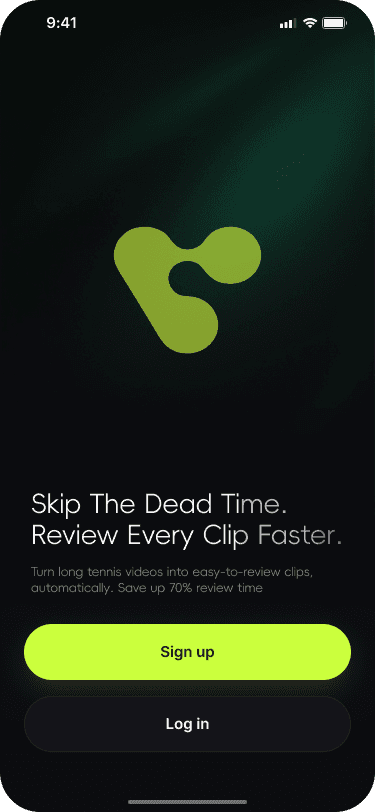
Players will be able to upload a complete practice video, and Volosophy will automatically identify active rallies and separate them from downtime such as waiting and ball collection. Instead of searching through the entire recording, users can go directly to clean, review-ready rally clips.
The feature is built around two core promises:
Free forever
Ready in seconds
Rally Clipping will be included in the upcoming Volosophy Beta. Everyone who has joined the Beta list will receive a download link when the new version becomes available.
Preparing the Volosophy Beta
Alongside core feature development, we continued refining the overall experience for our first group of Beta users.
In June, we improved the video upload, processing, and review flow, while also refining the Session and Clips interfaces. Our goal is to make the entire process—from recording a practice session to reviewing individual rallies—clearer and more intuitive.
The first Beta version will remain focused:
Record your practice, upload the video, and quickly find every rally worth reviewing.
Rally Clipping is only the starting point for Volosophy. We want to make this high-frequency, practical feature genuinely useful before gradually introducing more advanced analysis tools based on real user feedback.
Improving Volos Hardware Stability
On the hardware side, our focus in June was making Volos more stable, responsive, and reliable during real training sessions.
We currently have eight Volos units in active testing, with each machine completing an average of more than 80,000 ball launches. This larger-scale testing allows us to evaluate performance across longer sessions, different drill settings, and a wider range of ope rating conditions.
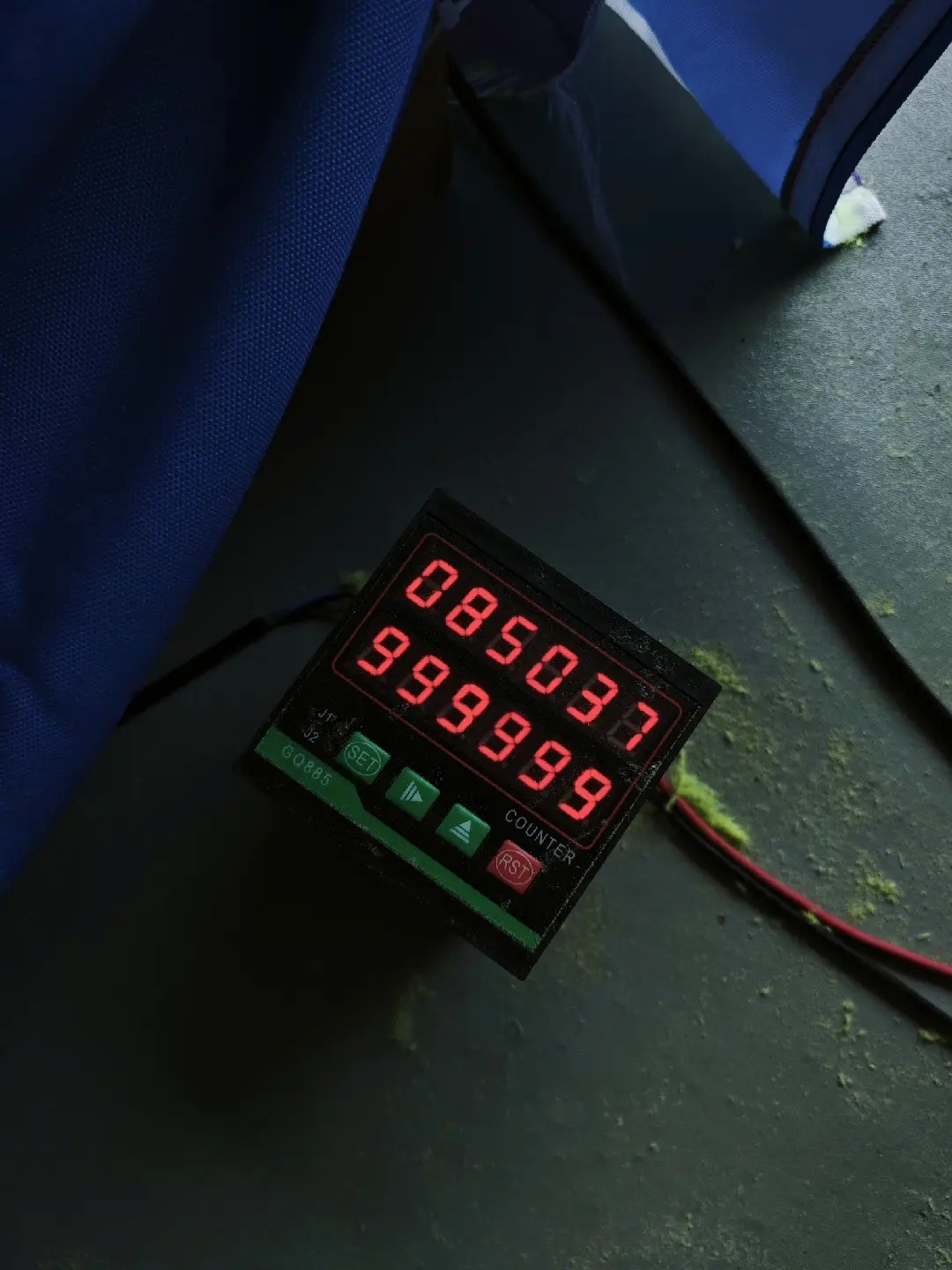
The team has continued optimizing motor control, command response, power compatibility, and system protection. For players, these improvements are designed to deliver:
More consistent speed and ball placement
Smoother transitions between drills and settings
Greater reliability during long training sessions
Better protection and recovery when abnormal conditions occur
These improvements may not appear as new screens or visible features, but they directly affect the consistency of every ball and the reliability of every drill.
Our goal is simple: players should be able to focus on their training, not on whether the machine will perform as expected.
What Comes Next
Our next priority is releasing the Volosophy Beta and collecting feedback from the first group of users.
After Rally Clipping, we plan to gradually introduce additional features, including:
AI-generated highlights
Practice session summaries
Performance and technique analysis
Personalized AI coaching
Deeper integration between Volosophy and the Volos tennis ball machine
We are not building features simply to add more data. We are focusing on the problems that take the most time and create the most friction during real training.
Thank you to everyone who has joined the Beta list and shared ideas with us. Your feedback will directly shape what we build next for Volosophy and Volos.