Volosophy Enters External Testing
August marked an important milestone for both Volosophy and Volos(Ball machine). The app moved from internal development into external testing on both iOS and Android, while the Volos ball machine continued progressing through another important stage of hardware development.
On the hardware side, August was focused less on adding visible features and more on refining the fundamentals of the machine. The team continued testing and improving how Volos moves, feeds balls, and performs over longer training sessions. Much of this work happens behind the scenes, but it is essential to making the machine more consistent and reliable on court.
For the first time, users outside the team began using Volosophy in real training scenarios and providing direct feedback. Based on this early feedback, we added an additional v0.0.2 update before the full release so we could address issues earlier instead of waiting for v1.0.
Together, these two tracks brought both sides of the product closer to real training conditions. For Volosophy, that means learning from how players actually record and review their sessions. For Volos, it means continuing to test and refine the machine around the demands of repeated, on-court use.›
August was ultimately about the same thing on both sides: moving beyond how we expect the products to perform and learning from how they actually perform in practice.
Faster Analysis, Better Video Review
One of the clearest priorities from external testing was simple:
Video analysis needs to feel fast.
Throughout August, we continued optimizing video processing on both iOS and Android. Improvements were made to file handling, thumbnail generation, progress updates, and memory usage, with the goal of reducing unnecessary processing and improving stability—especially when working with longer practice videos.
We also improved the experience after a session has been analyzed.
The latest test version introduced:
2× playback speed for Clips
A more accessible Feedback entry
Better compatibility with videos recorded on different devices and in less common formats
Continued improvements to video processing performance and stability
By the end of August, the v0.5 test version was live, while development of v1.0 continued with features including:
Profile
Credit
Fullscreen video playback
Media selection improvements
Continued performance optimization
››Our goal remains the same:
Help players move from a full practice recording to the moments actually worth reviewing as quickly as possible.
Volos (Ball machine) Moves Into the Next Stage
August also marked an important milestone for Volos hardware development.
EVT-4 testing is now complete, and the team has officially moved into DVT preparation.
The next version of Volos incorporates what we learned during EVT testing, with structural refinements focused on improving:
Stability
Motion consistency
Ball delivery
Long-term reliability
Throughout August, the team refined several important areas of the machine, including the motion system, wheel and track positioning, structural support, limit mechanisms, and ball-feeding layout.
Reliability testing also continued throughout the EVT stage. By the end of testing, Volos had completed 244,198 ball launches, giving the team a much clearer picture of how the system performs over extended use.
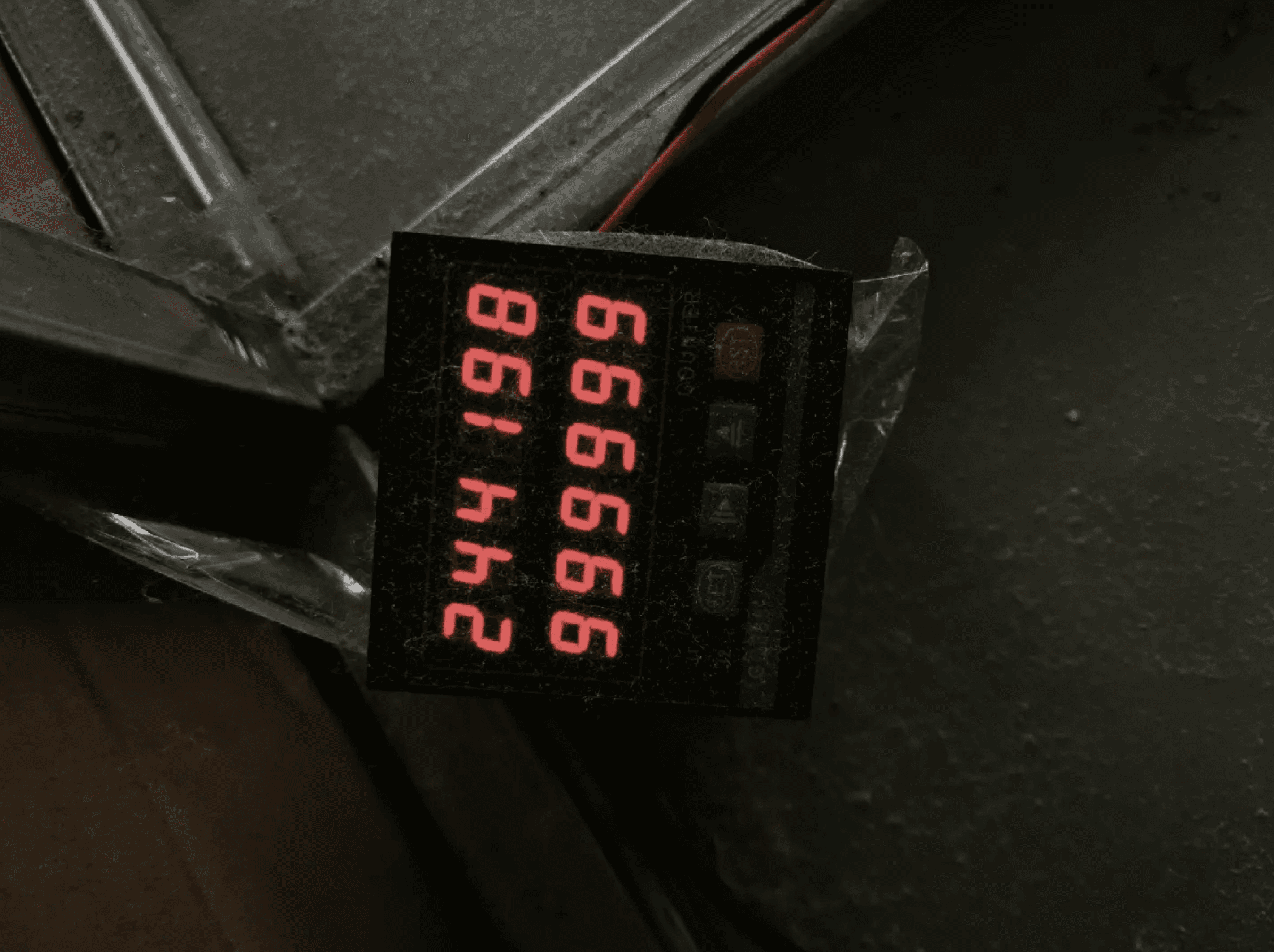
By the end of the month, most of the major DVT structural changes had been completed, and the project began moving into structural review and prototyping preparation.
Most of these improvements will not be immediately visible from the outside.
But they directly affect what matters most during training:
More consistent movement, more reliable ball delivery, and better performance over longer sessions.
What Comes Next
With external App testing underway and EVT-4 complete, our next stage is focused on two areas.
Volosophy
We will continue improving the Beta based on real user feedback while moving v1.0 forward.
The focus remains on making video analysis faster, improving the review experience, and making the product work reliably across a wider range of devices and videos.
Volos
Volos is now moving into the DVT stage.
The goal is to take everything we learned during EVT and turn it into a more refined version of the machine—one that is increasingly close to the product we ultimately want players to train with.
August was less about adding as many features as possible.
It was about putting both the software and hardware into real-world conditions, learning from how they actually perform, and improving the parts that matter most to the training experience.
That process continues into September.